
Stormwater infrastructure is often overlooked until extreme weather puts it to the test. When heavy rainfall occurs, every component of a stormwater management system must perform as intended to keep runoff moving, protect surrounding infrastructure and reduce the risk of localised flooding.
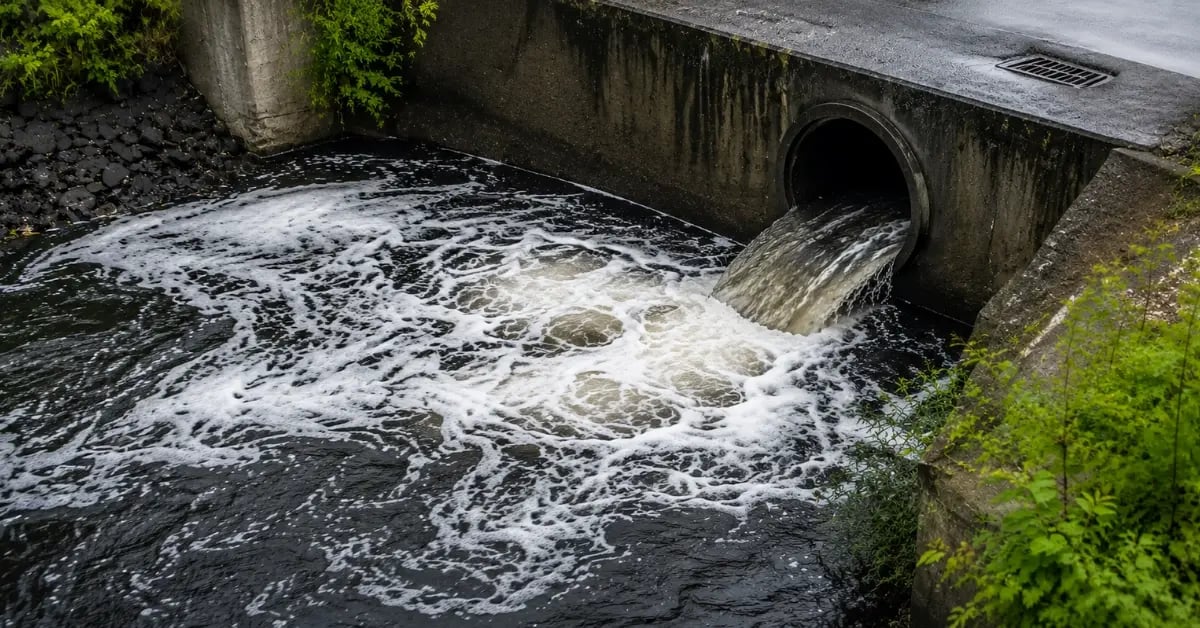
A stormwater pump station plays a critical role wherever gravity drainage alone isn't sufficient. If a pump station isn't operating reliably, stormwater can quickly accumulate, increasing the risk of flooded roads, car parks, developments and surrounding assets. Routine stormwater pump station maintenance, regular servicing and contingency planning are essential to ensuring your pump station is ready when it's needed most.
Why Stormwater Pump Stations Matter
Stormwater pump stations are designed to transfer runoff from low-lying areas into the broader drainage network. During periods of intense rainfall, these systems often operate continuously under demanding conditions.
When a pump station performs as designed, it helps to:
-
Reduce localised flooding
-
Keep roads, accessways and car parks flood-free
-
Protect commercial and residential developments
-
Minimise damage to surrounding infrastructure
-
Maintain safe access during severe weather events
Regular stormwater pump station maintenance helps ensure these critical assets continue to perform as designed during peak storm events, reducing the likelihood of unplanned failures and emergency repairs.
The Risks of Poorly Maintained Pump Stations
Like any mechanical asset, pump stations require regular inspection and servicing. Wear and tear, electrical faults, blocked pipework, damaged level controls or pump failures can all compromise system performance.
Unfortunately, these issues often remain unnoticed until a major rainfall event exposes them.
Common consequences of an underperforming pump station include:
-
Flooding of roads, basements and public spaces
-
Overflow of stormwater pits and drainage systems
-
Damage to property and surrounding infrastructure
-
Increased repair costs and emergency callouts
-
Unplanned downtime and operational disruption
Many of these issues can be identified and rectified through scheduled preventative maintenance before they become critical failures requiring emergency repairs.
Stormwater Pump Station Maintenance Reduces Asset Risk
Routine stormwater pump station maintenance provides confidence that your system will perform when required. A planned maintenance program helps identify wear before it develops into equipment failure, improving long-term reliability and reducing whole-of-life costs.
Whether you're managing a standalone installation or one of many packaged pump stations across a site, a proactive maintenance program helps reduce asset risk and improve long-term reliability.
A preventative maintenance program typically includes:
-
Inspection of pumps, motors and guide rail systems
-
Testing of level controls, alarms and electrical components
-
Cleaning of wet wells and removal of debris
-
Inspection of valves, pipework and discharge systems
-
Verification of pump operation under load
-
Identification of worn or ageing components before failure occurs
Regular maintenance not only improves reliability but also supports long-term asset performance and helps reduce the likelihood of costly emergency repairs.
Don't Wait Until a Pump Fails
One of the most common causes of stormwater pump station failure is delaying routine maintenance. Even well-designed systems experience component wear over time, making scheduled stormwater pump station servicing essential to maintaining reliable performance.
Critical sites should also consider whether replacement equipment is readily available and compatible with the existing pump station before the next major rainfall event arrives.
Why Spare Pumps Are Worth Considering
For many commercial, industrial and municipal sites, keeping a specified spare pump on hand can significantly reduce downtime.
Rather than waiting for replacement equipment to be sourced during an emergency, a spare pump allows failed equipment to be swapped out quickly, restoring system operation sooner and reducing the risk of flooding.
A spare pump can be particularly valuable where:
-
Continuous operation is critical
-
Access during storm events may be restricted
-
Replacement lead times could delay repairs
-
Pump failure could result in significant operational or financial impacts
Having a contingency plan in place is a practical way to improve resilience and minimise disruption during severe weather.
Preparing Before Storm Season
The best time to assess the condition of a stormwater pump station is before heavy rainfall arrives - not during it.
If it has been some time since your last stormwater pump station inspection or service, now is an ideal opportunity to assess the condition of the system, confirm all components are operating correctly and identify maintenance requirements before they become urgent.
Whether it's routine servicing, troubleshooting an existing system or supplying a compatible replacement or spare pump, acting early helps reduce asset risk and supports reliable stormwater management when conditions become challenging.
Partner with Global Water
Global Water provides complete support for stormwater pump stations, from preventative maintenance and servicing through to replacement pumps, spare equipment and technical advice.
Our team supports councils, contractors, facility managers and asset owners across Australia with servicing and replacement solutions for DrainAce Polyethylene Pump Stations, DrainAce Concrete Pump Stations and EnviroLift Modular Concrete Pump Stations.
If you're preparing for the next storm season, contact Global Water to discuss servicing your pump station or ensuring you have the right contingency measures in place before severe weather arrives.
FAQs
Tags: Maintenance, Stormwater, stormwater pumps