
Global Water provides effluent transfer pumps and wastewater transfer pumps designed to reliably move wastewater, slurries, and process fluids across commercial, municipal, and industrial applications.
Our range includes centrifugal pumps, screw pumps, peristaltic hose pumps, self-priming effluent pumps, and progressive cavity pumps, each selected to suit specific fluid characteristics and operating conditions.
These solutions deliver consistent flow, effective solids handling, and reliable performance across applications involving abrasive, viscous, or high-solids fluids.
Effluent transfer pumps are used to move waste water and process fluids between various stages of the water treatment processes ensuring reliable system operation across a wide range of applications.
Depending on the duty, fluids may contain solids, slurries, fibrous material, or corrosive chemicals, requiring specialised pump technologies designed to operate without clogging or excessive wear.
Global Water’s pump range is selected to match each of these conditions, helping to:
Our water effluent transfer pump offering includes a range of technologies to suit different fluid types and operating requirements.
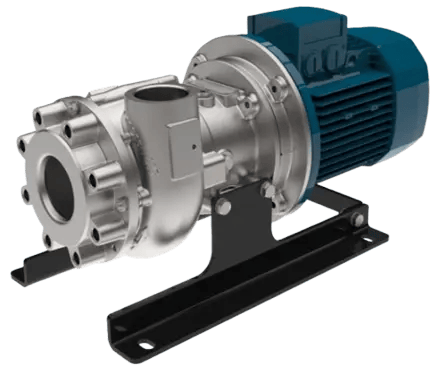
Verderhus screw pumps are suited to wastewater treatment applications requiring transfer of slurries, sludge, and chemical mixtures such as lime slurry.
They provide reliable, low-shear pumping while handling high solids and viscous fluids commonly found in treatment and neutralisation processes.
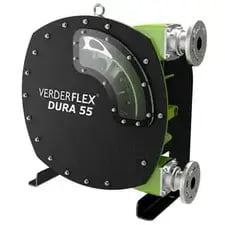
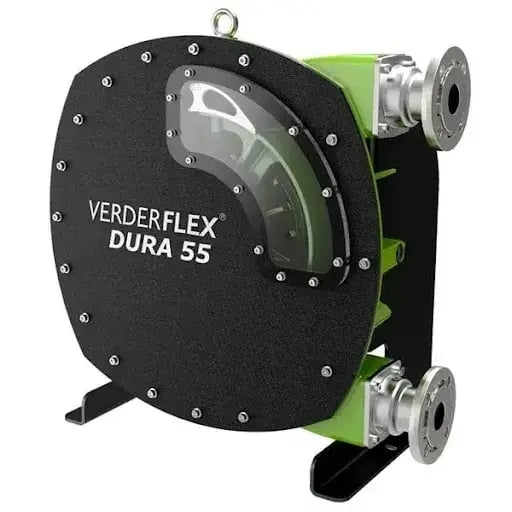
Verderflex peristaltic hose pumps are designed for water and wastewater applications requiring accurate dosing and reliable transfer of difficult fluids.
They deliver repeatable flow rates while handling slurries, high-solids content, and corrosive chemicals. Commonly used for dosing coagulants, flocculants, and pH correction agents, they are ideal for treatment and dosing processes.
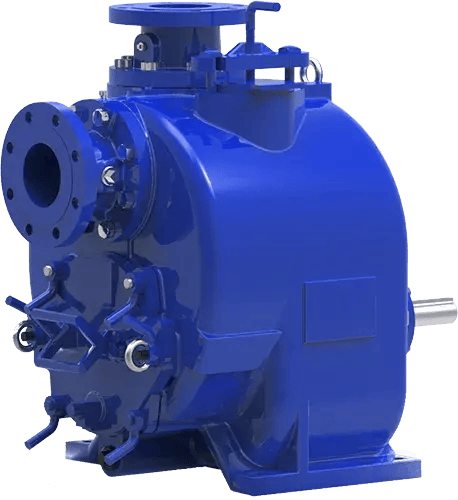
Toro TSP self-priming pumps are designed for solids-laden wastewater, featuring adjustable impeller clearance, replaceable wear plates, and oil-lubricated mechanical seals.
Available in a range of material options, they provide durable and flexible solutions for demanding industrial and municipal applications.
Progressive cavity pumps provide consistent, low pulsating flow for wastewater and industrial fluids, ensuring stable operation across a wide range of applications.
They are reversible and capable of handling shear-sensitive and high-viscosity media, reducing wear and maintaining fluid integrity.
Suitable for sludge transfer, dosing systems, and industrial wastewater processes, they are commonly used for fluids such as thick sludge, slurry, and chemical solutions.
Effluent transfer pumps operate using different mechanisms depending on the pump type and application.
Fluid intake
Wastewater or process liquid enters the pump from a tank, sump, or pipeline.
Pumping mechanism
The pump uses its specific technology, such as screw action, hose compression, or cavity progression, to generate flow.
Fluid movement
Liquids are transferred through the system, with each pump type suited to handling specific fluid characteristics.
Solids and material handling
Pump designs allow for effective handling of solids, slurries, and viscous fluids while maintaining performance.
Discharge
The fluid is delivered to the next stage of the process, treatment, or disposal.
Global Water effluent transfer pumps are suitable for a wide range of commercial, municipal, and industrial applications, including:
These pumps are ideal for applications requiring reliable transfer and consistent performance across varying fluid conditions.
Selection depends on the type of wastewater, solids content, viscosity, and required flow rate. For example, peristaltic pumps are suited to chemical dosing or abrasive fluids, while progressive cavity pumps are ideal for viscous sludge or high-solids wastewater. Screw pumps are commonly used for general wastewater transfer where clogging is a concern.
These pumps are designed to handle a wide range of fluids, including raw wastewater, trade waste, sludge, slurry, grease-laden water, and chemically contaminated effluent. They are also suitable for abrasive or corrosive fluids commonly found in industrial and processing environments.
Screw pumps are effective for wastewater containing suspended solids and fibrous material, reducing the risk of clogging. Progressive cavity pumps are better suited to thicker sludge, viscous waste, or high-solids mixtures where steady, controlled flow is required.
They are used across wastewater and industrial applications such as treatment plants, trade waste systems, food processing facilities, chemical dosing systems, washdown areas, and sludge handling processes. They are also commonly used in manufacturing sites and infrastructure projects where reliable fluid transfer is critical.
Yes. Peristaltic hose pumps are particularly suited to dosing applications, as they provide accurate, repeatable flow and can handle corrosive chemicals without damaging internal components.
Yes. Peristaltic and progressive cavity pumps are designed to handle abrasive slurries and corrosive fluids, making them suitable for industrial wastewater, mining applications, and chemical processing environments.