Global Water provides advanced stormwater treatment solutions designed to support effective stormwater management across commercial and large-scale developments.
Our systems deliver reliable primary and secondary stormwater runoff treatment, capturing and removing gross pollutants, sediment, and hydrocarbons at the source before they enter drainage networks. This helps reduce maintenance costs, protect downstream infrastructure, and meet regulatory requirements with confidence.
Using proven EcoTreat® Stormwater Quality Improvement Devices (SQIDs), we deliver reliable, low-maintenance stormwater management solutions that improve water quality, safeguard municipal systems, and support sustainable outcomes across a wide range of site conditions – from high-risk industrial environments to general urban developments.
Stormwater run-off from commercial and developed sites often carries sediment, debris, and hydrocarbons into drainage systems and natural waterways. Without effective solutions to stormwater pollution, this can lead to environmental harm, system blockages, and increased maintenance costs.
Global Water’s stormwater treatment solutions are designed to intercept and remove these contaminants at the source, preventing them from entering downstream infrastructure and waterways.
By addressing pollution early in the drainage process, these systems:
This approach ensures more reliable performance and long-term protection of both infrastructure and the surrounding environment, particularly in demanding industrial and commercial stormwater management applications.
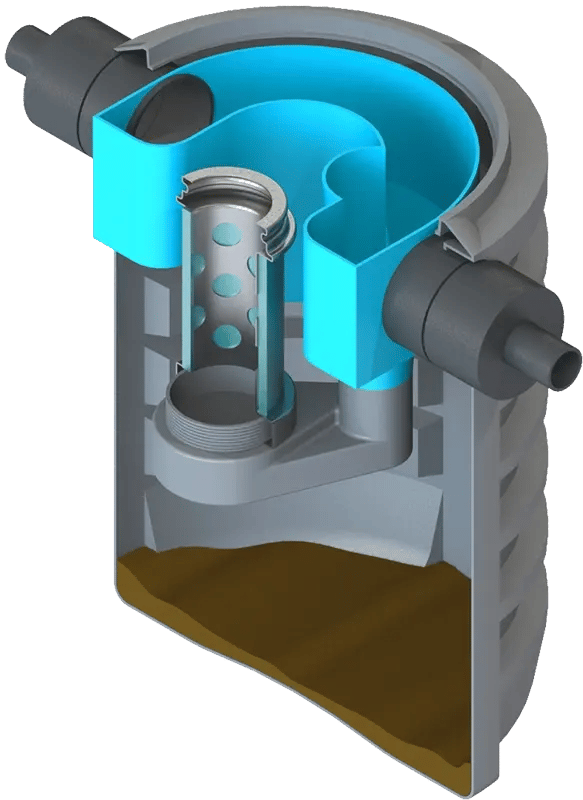
The EcoTreat® Class 1 Bypass Separator is designed for low-risk, high-flow environments, providing effective stormwater runoff treatment for first-flush events containing low levels of hydrocarbons and gross pollutants. Higher storm flows bypass the system during peak rainfall.
It is ideally suited for high-flow environments such as car parks and shopping centres, warehouse loading areas, industrial yards and waste depots, heavy vehicle maintenance and storage areas, airport aprons and tarmacs, and road tunnels.
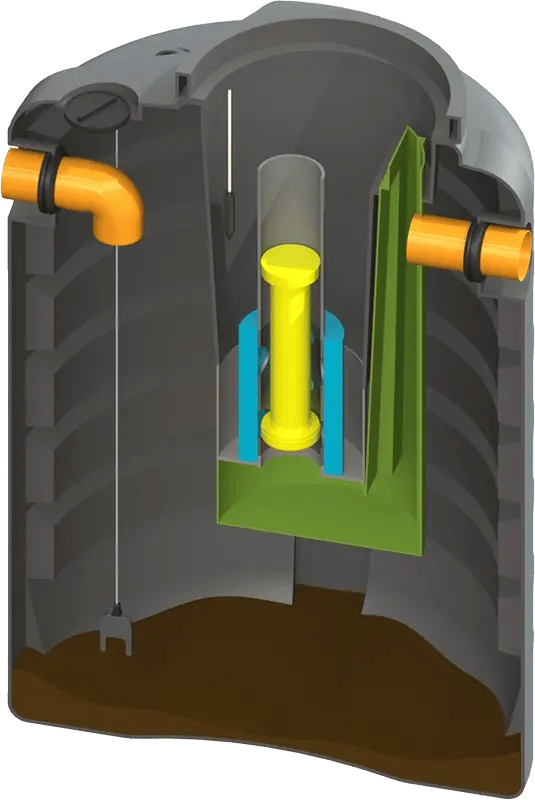
EcoTreat® Class 1 Full Retention device is designed for high-risk, lower-flow commercial and industrial sites, treating all stormwater flows where hydrocarbon contamination or spill events may occur.
This system provides complete stormwater pollution solutions by treating everyday runoff and containing larger spills of oil and fuel before they enter the drainage network.
Ideal for fuel depots, petrol station forecourts, industrial loading zones, aircraft facilities, transport yards, mining sites, and energy infrastructure.
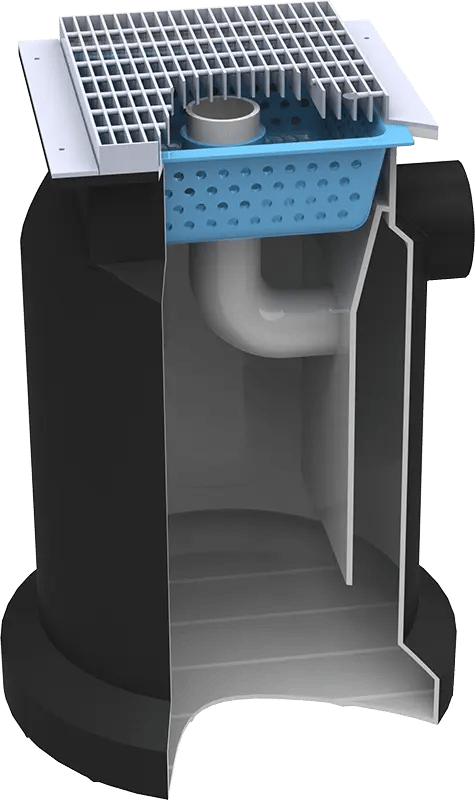
The EcoTreat® Stormwater Bypass Interceptor is designed for smaller catchments, delivering efficient stormwater runoff treatment by removing gross pollutants, fine silt, and hydrocarbons before they enter the drainage system.
It provides effective multi-stage treatment, helping protect downstream infrastructure and supporting compliance with council and environmental requirements.
It is ideally suited for applications such as small car parks and driveways, loading docks and aprons, paved holding yards, industrial bin bays, and commercial developments.
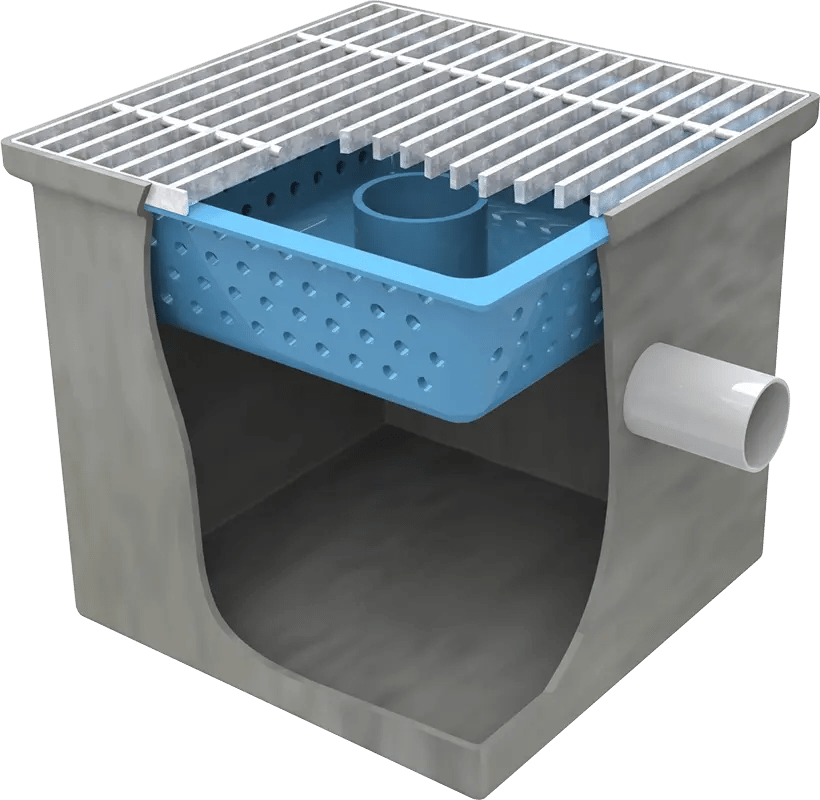
EcoTreat® Gross Pollutant Traps (GPTs) provide a cost-effective, at-source stormwater pollution solution for removing debris, litter, and silt from runoff and washdown water.
These systems act as a sediment trap for stormwater, capturing contaminants at entry points to improve overall system performance and reduce downstream load.
They can also be used in conjunction with Class 1 separators to reduce pollutant load and improve overall treatment efficiency.
Common applications include car parks, loading docks, bin bays, washdown areas, pump pit inlets, and commercial developments.
Global Water’s stormwater treatment devices operate through a staged process that removes pollutants before discharge.
1. Inlet and screening
Stormwater enters the system where gross pollutants such as litter and debris are captured.
2. Sediment separation
Heavier particles like sand and silt settle out, functioning as an effective stormwater sediment trap to reduce suspended solids.
3. Hydrocarbon separation
Oil and light liquids are separated and contained using coalescing or gravity-based processes.
4. Flow management
Systems are configured to either treat all flows or manage peak events through bypass, depending on site requirements.
5. Clean discharge
Treated water is released with significantly reduced contaminant levels, protecting downstream infrastructure and waterways
Global Water stormwater treatment solutions are designed for a wide range of commercial and industrial environments where runoff quality and compliance are critical:
These systems are particularly suited to high-risk or high-traffic areas, where effective at-source treatment is essential to protect downstream infrastructure and meet environmental requirements.
The right solution depends on your risk level, flow conditions, and compliance requirements. High-risk sites (e.g. fuel handling) typically require full retention systems, while general commercial areas may suit bypass or pre-treatment devices.
First-flush systems treat the most contaminated initial runoff, while full-flow systems provide complete stormwater runoff treatment for all flows.
A bypass separator treats the initial, most polluted runoff (first flush) and allows higher storm flows to bypass the system. A full retention system treats all incoming stormwater, making it suitable for sites where complete containment of pollutants is required.
Risk level depends on the type of activities on site. Locations with fuel handling, heavy machinery, or chemical storage are considered high-risk, while general commercial areas with minimal contamination are typically low-risk.
Bypass separators are best suited for low-risk, high-flow sites, such as large car parks or commercial areas, where pollutant levels are relatively low but stormwater volumes are high.
Full retention systems are used in high-risk environments, such as fuel stations or industrial sites, where there is a risk of hydrocarbon spills and all runoff must be treated before discharge.
Yes. Class 1 stormwater treatment devices can be paired with detention tanks where additional storage or flow control is required. This allows the system to manage peak flows while maintaining effective treatment performance.
Yes, systems are specifically designed to contain and manage larger hydrocarbon spills, providing effective solutions to stormwater pollution.
Yes, by capturing pollutants at the source, these systems significantly reduce blockages, downstream cleaning, and long-term maintenance requirements.
Most councils and environmental authorities require stormwater treatment measures. These systems help meet those requirements and simplify the approval process.
Solutions are available for a range of site constraints, including compact designs for smaller catchments and scalable options for larger developments.
Maintenance typically involves periodic inspection and removal of captured pollutants. Frequency depends on site usage and pollutant load.
Yes. Many systems can be installed in existing drainage layouts, making them suitable for upgrades or compliance improvements.